Agriculture Kenia 2025

MONTHLY REPORT for AUGUST and SEPTEMBER 2025
1.0 INTRODUCTION
The months of August and September 2025 were characterized by a series of productive agricultural and environmental activities carried out across the different departments. The aim was to strengthen food security, improve income-generating activities and promote sustainable farming practices within the community. The work involved both crop and livestock production, agroforestry, aquaculture, composting and other supportive practices.
The following report presents a detailed account of the activities carried out in each department.
1.1 DEPARTMENTS AND ACTIVITIES CARRIED OUT
1.1.1 Crop Production
The crop production department was divided into vegetable production and cereal production, both of which play a vital role in household nutrition and income generation.
1.1.1.1 Vegetable Production
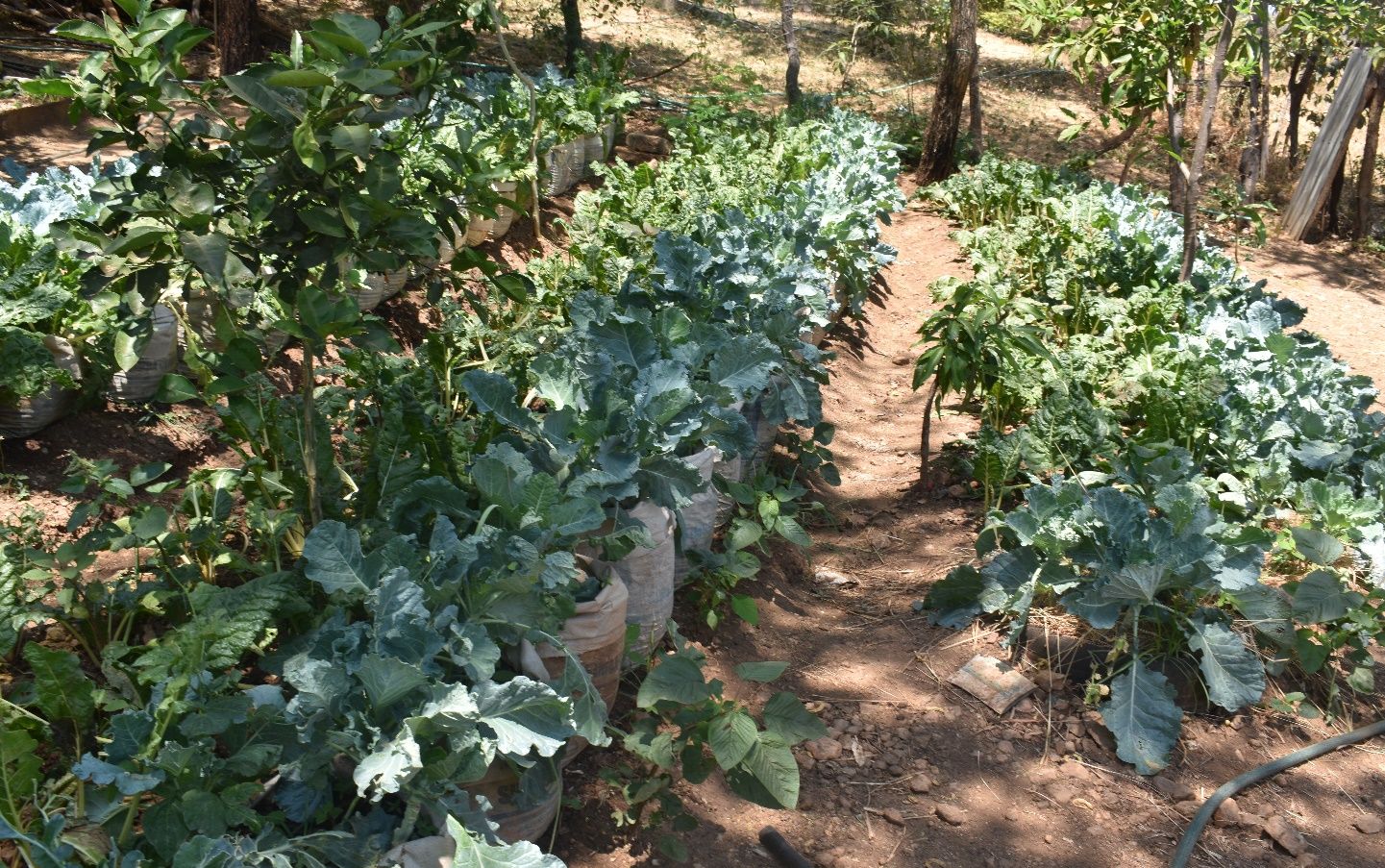
During the month, moist seedling beds were prepared for propagating vegetables. Crops such as kales, spinach, onions, and coriander were established and carefully managed. The management practices included regular watering, timely weeding, pest control using bio-pesticides, and mulching to conserve soil moisture.
Harvesting of kales and spinach was carried out and the produce was sold, providing a source of income for the project and contributing to food availability within the community. The vegetable unit not only supplied fresh produce but also served as a demonstration site for best practices in crop management. Farmers and trainees were engaged in learning how to improve yields and maintain high-quality produce.
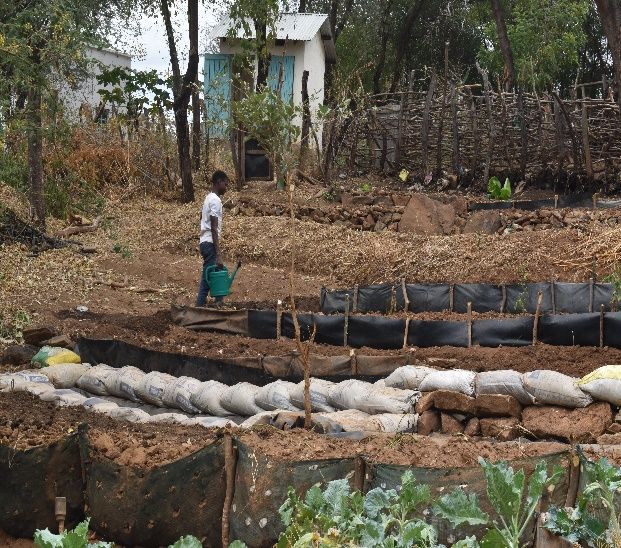

Seed beds preparation and management of vegetables
1.1.1.2 Cereal / Legumes Production
The cereal production subdivision concentrated on the establishment of maize, cowpeas, and pigeon peas. Land preparation was initiated through ploughing and the formation of moist raised beds to improve soil aeration and drainage. Planting was carried out under close supervision to ensure proper spacing and seed placement.
The crops were managed through weeding, mulching, and manure application. These practices ensured that soil fertility was maintained and that crop performance was improved. The cereal department also played a key role in crop diversification, which contributed to food security and resilience against climate variability.

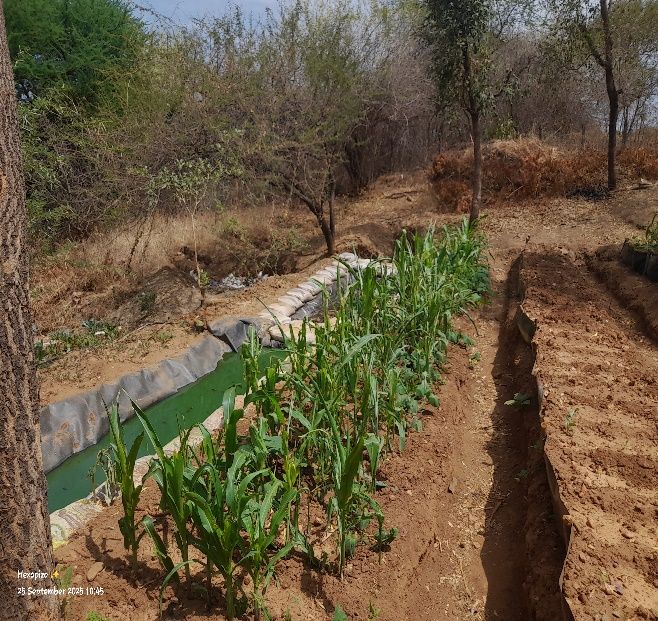
Cereals production
1.1.2 Livestock
The livestock department concentrated on improving animal production systems, with particular focus on rabbits and poultry.
1.1.2.1 Rabbits
Rabbit farming was introduced to diversify income and protein sources. Structures for rearing rabbits were constructed with adequate spacing, ventilation, and hygiene considerations. The preparation for stocking included sourcing appropriate breeds and planning for feed management. Rabbit farming is expected to provide quick returns due to the short reproductive cycle and high demand for rabbit meat.


Rabbits and the collection of beneficial rabbit urine
1.1.2.2 Poultry
Poultry farming activities were initiated by constructing a rearing structure designed to provide adequate shelter and protection from predators. The unit was prepared for stocking with chicks, and emphasis was placed on maintaining hygiene to prevent disease outbreaks. Poultry farming is recognized as an enterprise that can supply eggs and meat, which are essential for nutrition and income generation.
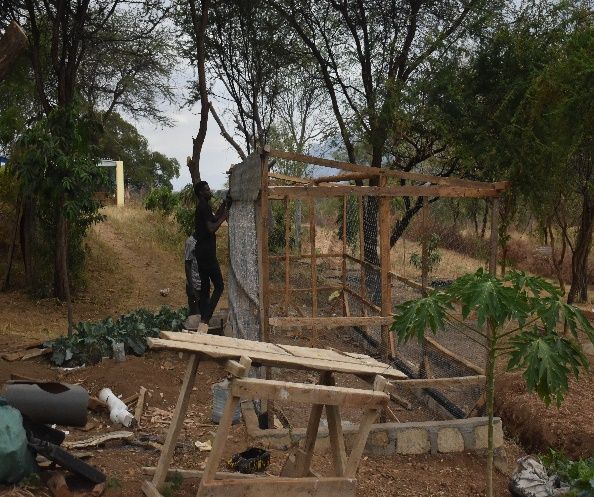
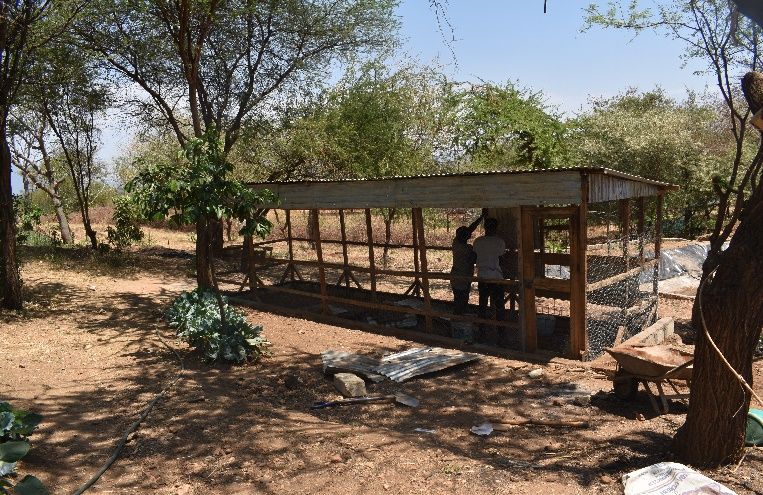
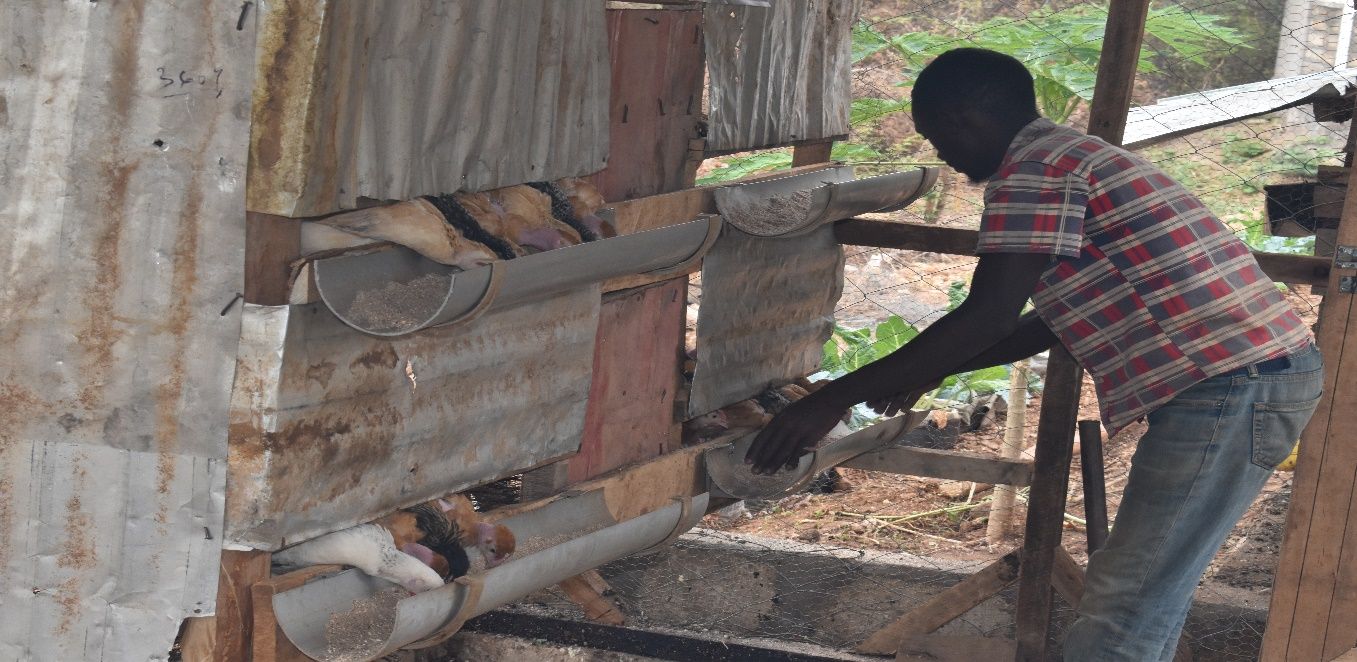
Poultry house construction and poultry management
1.1.2 Agroforestry
Agroforestry activities were carried out to integrate trees and crops, thereby enhancing biodiversity and sustainability.
1.1.2.1 Tree Nursery
Lemon seedling production was one of the key activities in the nursery. The seedlings were properly managed through watering, weeding, and shading to improve survival rates. Detailed records of seedling production and distribution were maintained to track progress. The tree nursery provided planting material for future agroforestry projects.
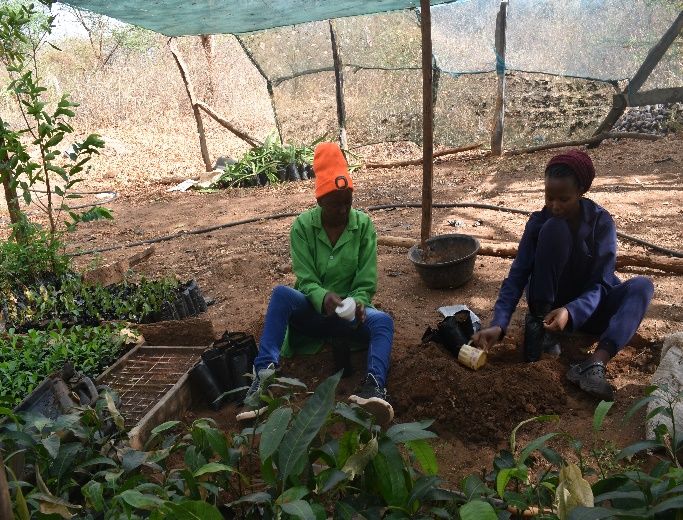
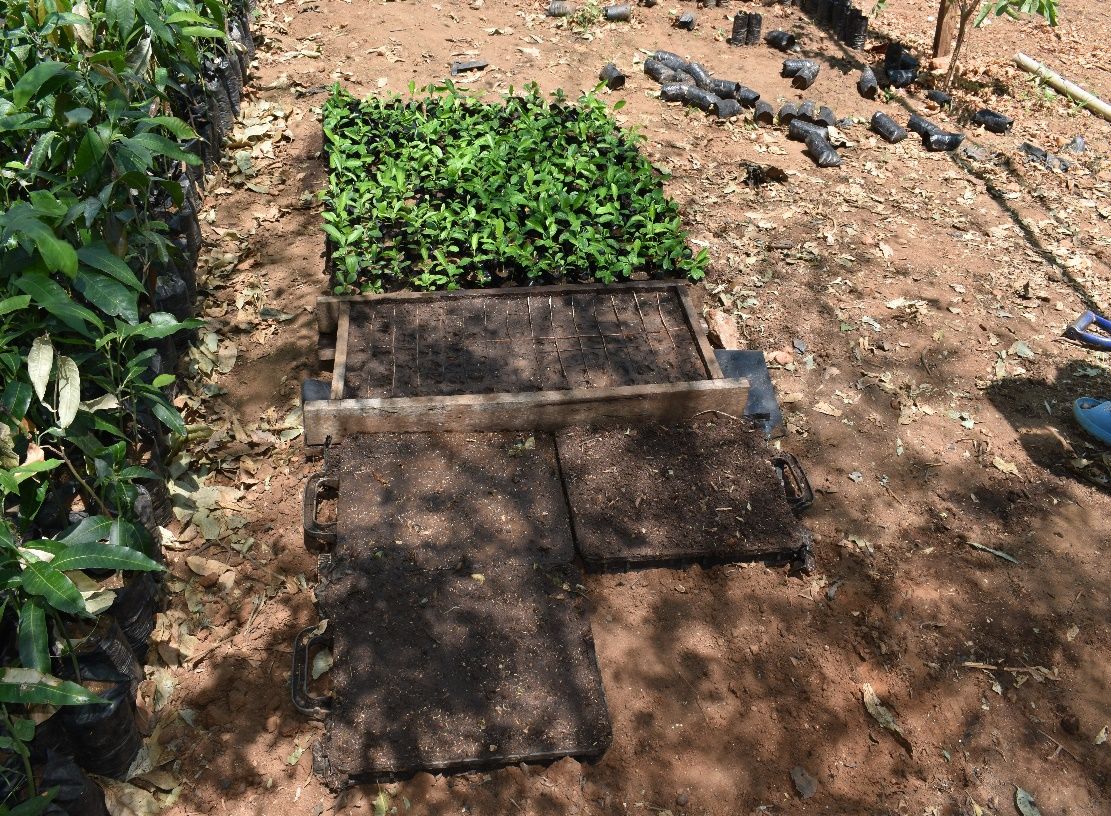
Propagation and potting of lemon seedlings
1.1.2.2 Permaculture
Dragon fruits
In the dragon fruit unit, basins were dug around each plant to hold water and strengthen root support. Mulching was also applied to conserve soil moisture and reduce weed growth. The work aimed to enhance productivity and improve the resilience of the dragon fruit plants.

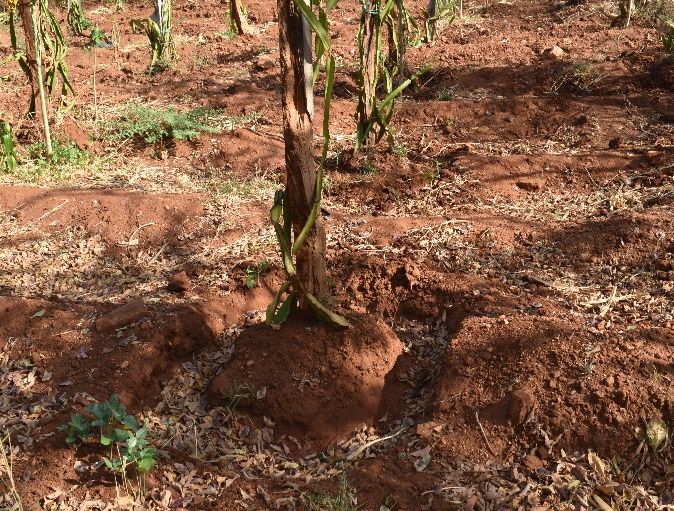
Dragon fruits farm management
Fruit forest
The fruit forest was managed by maintaining drip irrigation systems, mulching, and digging around trees to enhance soil aeration and water retention. These activities ensured long-term sustainability.
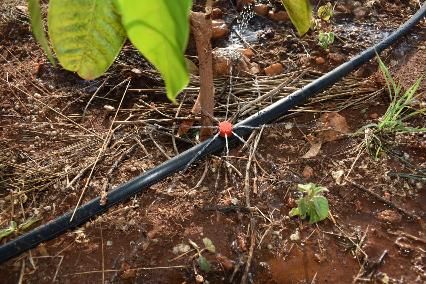
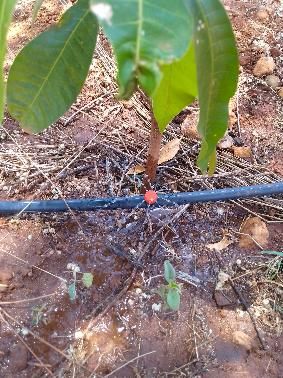
Trees drip management
1.1.3 Composting Department
The composting department worked on improving soil fertility through the preparation of organic manure. Traditional composting involved digging pits, adding animal manure, sprinkling water and leaving the material to decompose. After sufficient decomposition, the manure was moved to a shaded area for cooling before application.
Additionally, Bokashi bio-fertilizer was prepared to improve soil structure and provide essential nutrients to crops. These methods reduce reliance on chemical fertilizers and promote organic farming practices, which are environmentally friendly and cost-effective.
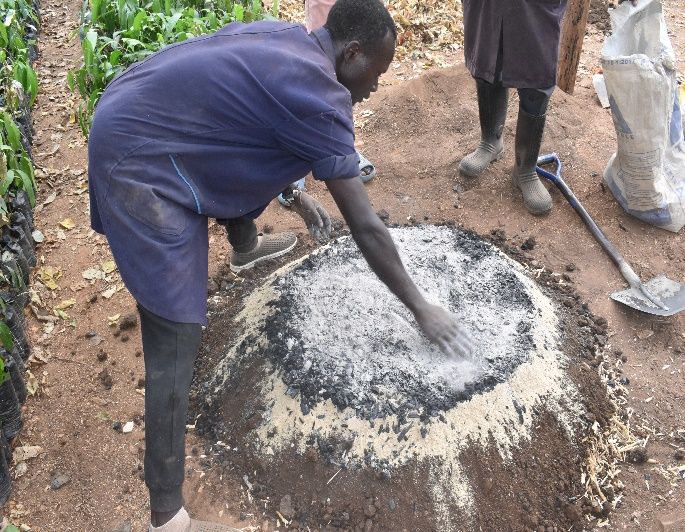

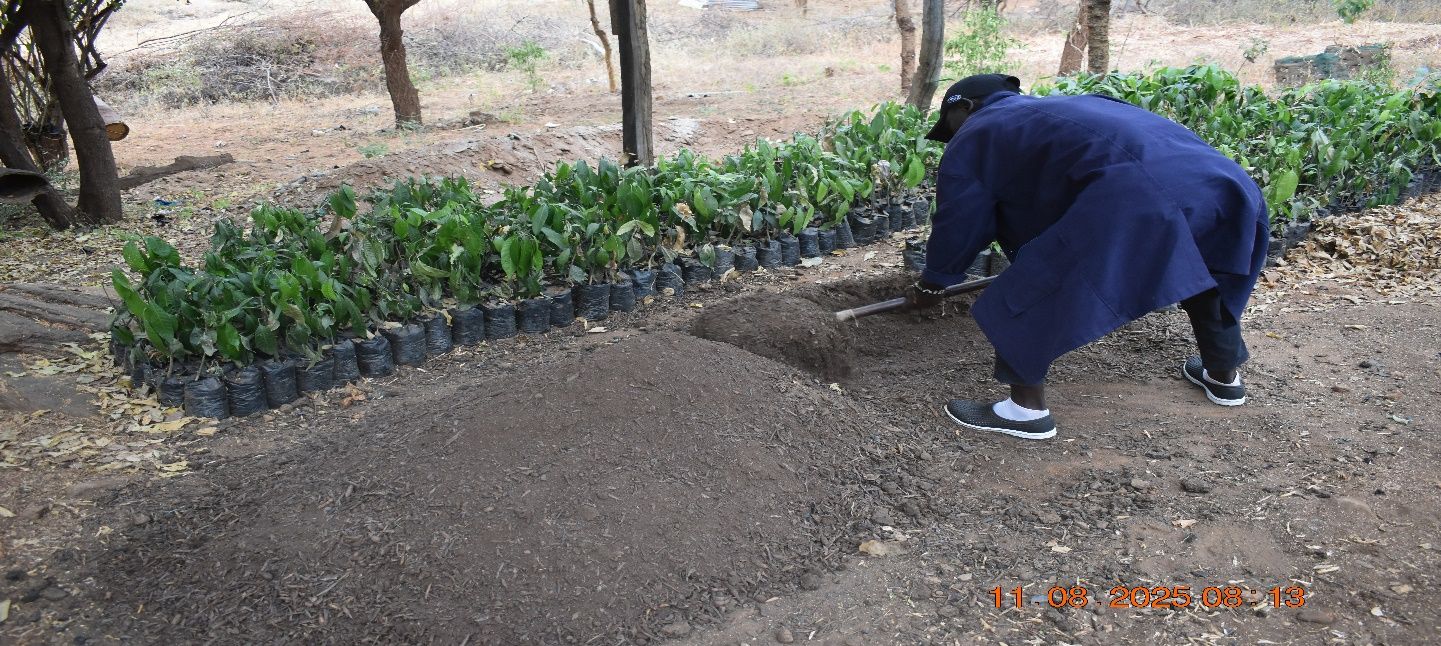
Bokashi preparation
1.1.4 Integrated Pest Management (IPM)
Integrated pest management activities included the preparation and use of bio-pesticides made from locally available plant materials. These bio-pesticides were applied to vegetables and cereals to control pests and diseases. The adoption of IPM minimizes the use of synthetic chemicals, safeguards the environment, and ensures that produce remains safe for consumption. Farmers and trainees gained practical knowledge on sustainable pest control methods.


Bio pesticides preparation (apichi) and administration to control pests and diseases
1.1.5 Aquaculture
In aquaculture, the department managed a small-scale fish pond stocked with mudfish. Regular feeding and water changes were carried out to maintain pond hygiene and fish health. Preparations were also made for establishing additional small-scale fish ponds to expand production capacity.
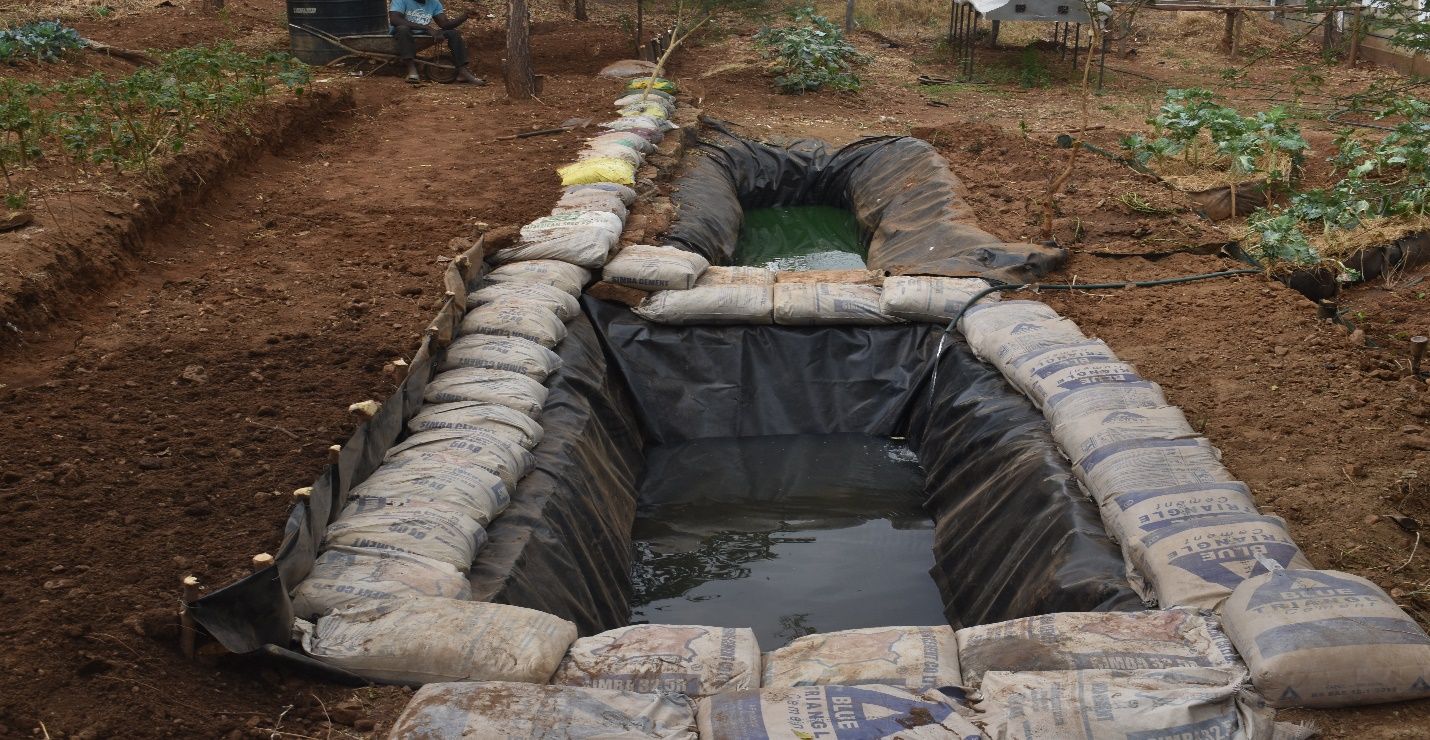
Small-scale fish ponds construction and management of the old ones
1.1.6 Alternative Feeds
Production of Azolla, a fast-growing aquatic plant, was introduced as an alternative livestock feed. Azolla was established in controlled units and harvested regularly to feed fish and poultry. This initiative reduced feed costs, improved feed diversity, and enhanced livestock growth. Farmers and trainees learned the benefits of integrating Azolla production into their farming systems.
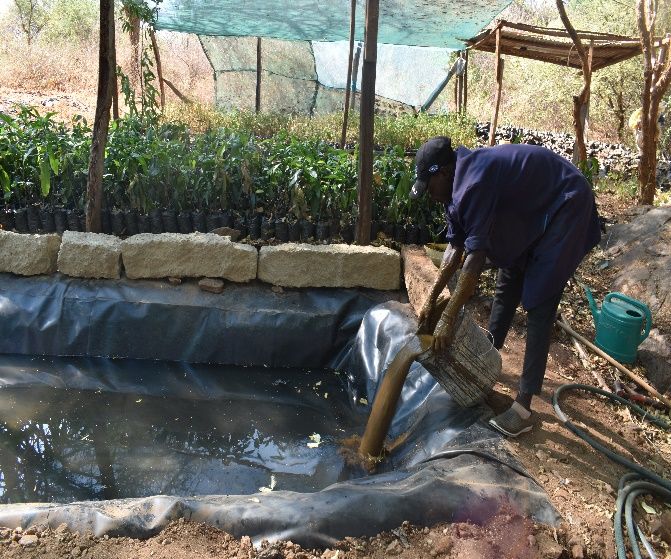
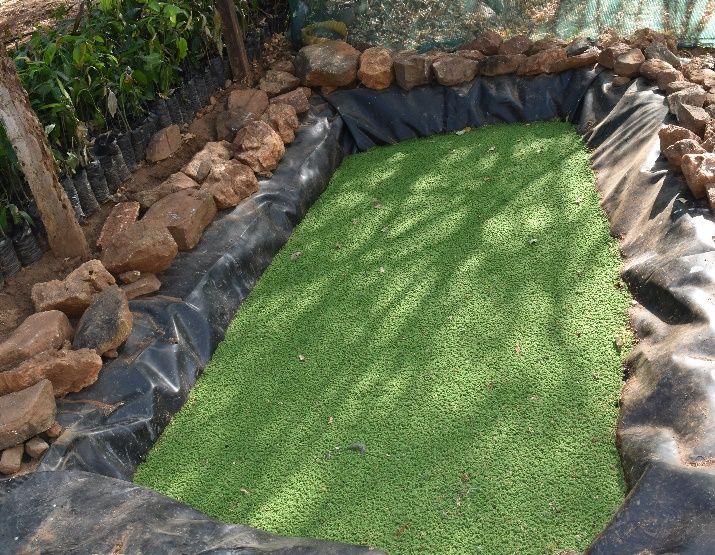

Introduction, management and harvesting of Azolla
2.0 CONCLUSION
The months of August and September 2025 were marked by significant progress in the various departments. Activities ranged from crop and livestock production to agroforestry and aquaculture, all aimed at enhancing food security, sustainability, and income generation. The successful implementation of these activities demonstrated the importance of integrated farming systems that combine crop production, livestock management, soil fertility improvement and environmental conservation. The involvement of both community members and trainees created a strong foundation for knowledge transfer and capacity building.
3.0 RECOMMENDATIONS
-
Scaling Up Production: Vegetable and cereal production should be expanded to increase output and enhance household and community food security.
-
Capacity Building: More training sessions should be organized for farmers, students, and community members to strengthen skills in crop production, IPM and agroforestry.
-
Value Addition: Initiatives such as processing vegetables, fruits and livestock products should be introduced to increase income and reduce post-harvest losses.
-
Diversification: Expansion of rabbit and poultry farming, as well as aquaculture, should be prioritized to provide alternative income streams and protein sources.
-
Sustainability: Organic composting and bio-fertilizer preparation should be promoted further to improve soil health.
-
Infrastructure Development: Additional structures such as greenhouses and improved livestock housing should be developed to support expansion and efficiency.